

SoBro Blog
How to Make Brushing Easier for Kids
How to Make Brushing Easier for Kids
Brushing is one of the core habits for lifelong dental health — but for many Indianapolis families, it can also be one of the most frustrating tasks.
If you find yourself repeating reminders, negotiating with your child, or ending up in daily stand-offs over toothbrushes and toothpaste, you’re not alone. The good news is there are practical, evidence-based strategies that make brushing easier for kids of all ages.
In this guide, we’ll walk through simple tips to help your child brush more willingly and more effectively — so you can spend less time battling over brushing and more time enjoying family moments.
Why Kids Push Back on Brushing
Children rarely resist brushing because they want cavities. More often, it’s about independence, fatigue, or not fully understanding why brushing matters in the first place.
At the end of a long day, brushing can feel like just another task being imposed on them. When parents recognize that the pushback is developmental rather than defiant, it becomes easier to approach brushing with patience instead of frustration.
Build Brushing Into a Predictable Routine
Consistency reduces arguments. When brushing happens at the same times every day, it becomes part of the rhythm of family life instead of something that feels optional.
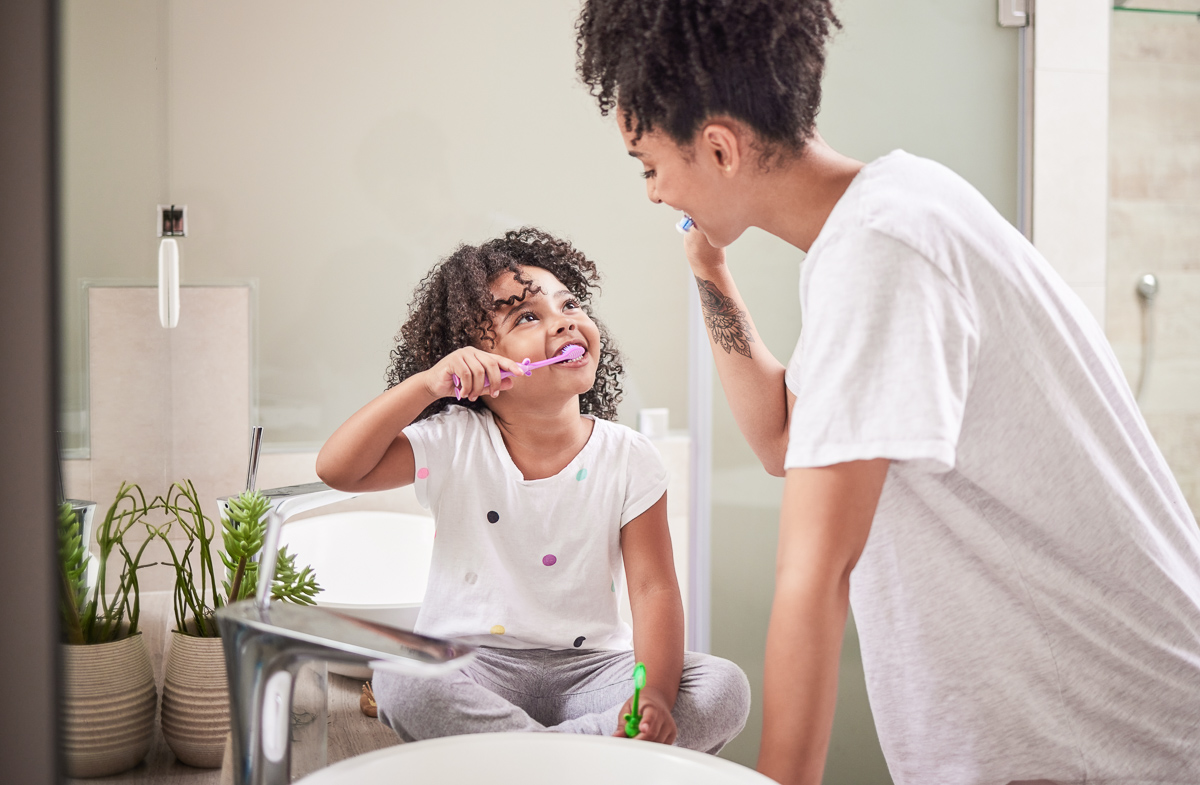
Brushing after breakfast and before bed works well for most families. Keeping toothbrushes accessible, using a step stool for younger kids, and brushing together as a household can reinforce that oral care is simply part of the daily routine in your Indianapolis home.
Make Two Minutes Feel Manageable
Two minutes can feel long to a child who would rather be playing or getting ready for bed. Breaking that time up with a favorite song, a timer, or a brushing app can make it feel shorter and more structured.
Letting your child choose the music or the timer adds a small element of control. That sense of ownership often reduces resistance and turns brushing into something they participate in rather than something they fight.

Encourage Independence the Right Way
Most children do not have the coordination to brush thoroughly on their own until around age seven or eight. Even then, supervision is still helpful to ensure all areas of the mouth are being cleaned properly.
A collaborative approach works well. Let your child brush first, then step in to “check and finish.” This supports independence while still protecting their oral health.
Keep the Tone Positive
Turning brushing into a punishment or power struggle usually makes resistance worse. Instead, focus on explaining that brushing keeps their teeth strong, healthy, and ready for school, sports, and everyday life.
Positive reinforcement, encouragement, and calm consistency go much further than pressure. Over time, brushing becomes a habit rather than a battle.
When to Talk With Your Dentist
If brushing consistently causes tears, complaints of pain, or avoidance of certain areas of the mouth, it may be worth mentioning at your child’s next dental visit. Sometimes sensitivity or early cavities can make brushing uncomfortable.
At SoBro Dental, we work with families throughout Indianapolis to make oral care feel approachable and supportive. If you have questions about your child’s brushing habits, we’re always happy to offer guidance tailored to their age and needs.
Supporting Healthy Habits at Home
Brushing doesn’t have to be a nightly battle. With a consistent routine, small choices, and a positive approach, most children gradually settle into healthy habits that last for years.
If you have questions about your child’s brushing technique or want guidance tailored to their age, the team at SoBro Dental is here to help. Contact our Indianapolis office to schedule your child’s next visit and let’s work together to keep their smile healthy and strong.
Frequently Asked Questions - How to Make Brushing Easier for Kids
Most children develop the coordination to brush independently around ages seven to eight. However, parents should continue supervising and occasionally checking to ensure thorough cleaning.
Before that age, parental assistance is important to help reach back molars and gumlines effectively.
Stick with a predictable routine and offer small choices such as picking the toothbrush color or choosing a song. Avoid turning it into a negotiation or punishment.
If resistance continues despite consistency and positive reinforcement, discuss it with your dentist to rule out discomfort or sensitivity.
Yes, it is very common. Younger children often lack the motor skills needed to clean every surface thoroughly.That’s why supervision and a quick “check and finish” from a parent remain important through the elementary school years.
Children should brush twice a day, typically after breakfast and before bed, for two full minutes each time. This routine helps remove plaque and reduces the risk of cavities.
Maintaining consistency is more important than perfection. Even small improvements in routine can make a meaningful difference over time.
Electric toothbrushes can be helpful for many children, especially if they struggle with coordination. The built-in timers and gentle vibrations often make brushing more effective and more engaging.
However, a manual toothbrush can work just as well when used properly. The most important factor is consistency and proper technique.
White spots near the gumline, persistent bad breath, bleeding gums, or sensitivity can all signal that brushing may not be thorough enough. If you notice these signs, it’s a good idea to schedule a dental visit. Early intervention is always easier than treating a more advanced cavity later.